
How to Pay Off Credit Card Debt Faster: 7 Proven Tactics
Break the minimum payment trap and eliminate toxic high-APR credit card balances quickly using balance transfers, consolidation, and budget sprints.

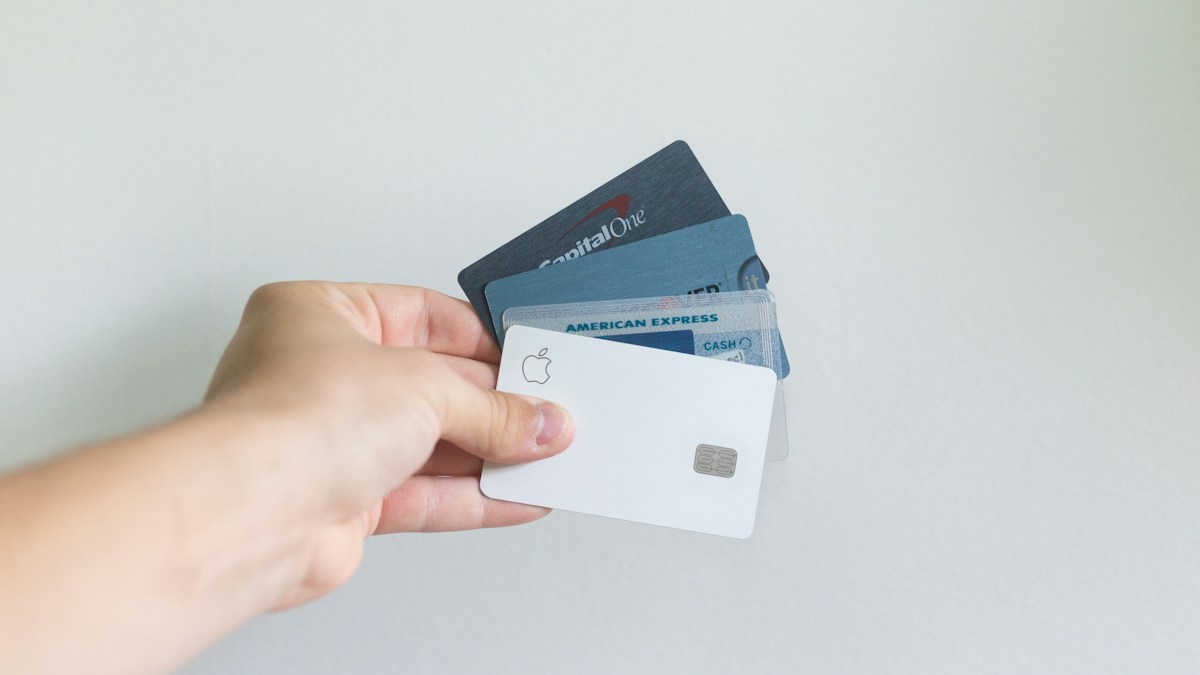
Credit card debt is the single most destructive financial liability the modern consumer encounters. With national average credit card interest rates exceeding 22% to 28% APR, compounding interest works aggressively against you, transforming routine purchases into multi-year financial anchors.
If you carry a $10,000 balance at 24% interest and make only the minimum monthly payment, it will take you over 25 years to pay off the balance, and you will pay more than $18,000 in interest alone on top of what you originally borrowed.
To escape this trap, you need an aggressive, systematic plan that attacks both the interest rate and the principal balance. Here are seven tactical steps to eliminate your credit card debt fast.
1. Implement a 0% APR Balance Transfer
A balance transfer card allows you to move high-interest credit card balances onto a new credit card that offers an introductory 0% APR promotional window (typically 12 to 21 months):
- The Upfront Fee: Card issuers typically charge a one-time balance transfer fee of 3% to 5% of the transferred amount.
- The Strategic Benefit: By eliminating 24% APR for 18 months, 100% of your monthly payment goes toward reducing the principal balance rather than paying interest.
Balance Transfer Savings Calculation:
  $8,000 Debt at 24% APR for 18 Months = ~$2,400 in interest charges
  3% Balance Transfer Fee = $240
  Net Interest Savings: $2,160!
2. Call Your Card Issuers and Request an APR Reduction
Few consumers realize that credit card APRs are negotiable. Call the customer service number on the back of your card and speak with a retention representative:
- State that you have been a loyal cardholder and have received competitive 0% balance transfer offers from competing banks.
- Ask if they can permanently or temporarily lower your APR to help you accelerate repayment.
- Studies show that over 65% of cardholders who ask receive an interest rate cut, saving hundreds of dollars instantly.
3. Explore Low-Interest Debt Consolidation Loans
If your credit score does not qualify you for a 0% balance transfer card, apply for a fixed-rate personal debt consolidation loan through an online lender or local credit union:
- Replace multiple variable 24% credit card debts with a single, predictable monthly payment at 8% to 12% fixed APR.
- This locks in a clear payoff date (typically 36 to 60 months) and shields you from variable rate hikes.
4. Execute a 30-Day “Bare Bones” Budget Sprint
For the next 30 to 60 days, place your household on a temporary financial sprint:
- Freeze all non-essential discretionary spending (dining out, entertainment, subscription streaming, clothing).
- Redirect every liberated dollar directly to your target credit card balance.
- An intense two-month sprint can knock down $1,500 to $3,000 in principal, permanently altering your amortization schedule.
5. Make Bi-Weekly Micro-Payments
Instead of making one monthly payment on your due date, divide your monthly payment in half and pay it every two weeks:
- Why It Works: There are 52 weeks in a year, which means 26 bi-weekly payments—the equivalent of 13 full monthly payments each year instead of 12.
- Additionally, because credit cards calculate interest on your Average Daily Balance, making mid-cycle payments reduces your daily balance earlier, lowering monthly interest charges.
Payoff Acceleration Comparison Matrix
| Action Step | Complexity | Time to Implement | Estimated Financial Impact |
|---|---|---|---|
| 0% APR Balance Transfer | Moderate | 2-3 Days | Saves $1,500 – $3,000+ in interest |
| Calling Bank for APR Reduction | Low | 15 Minutes | Reduces APR by 3% to 8% |
| Personal Consolidation Loan | Moderate | 2-4 Days | Cuts interest rate in half; sets fixed end date |
| Bi-Weekly Payment Schedule | Low | 5 Minutes | Adds 1 extra full payment per year automatically |
Frequently Asked Questions (FAQ)
What happens if I don’t pay off the balance transfer before the 0% promo ends?
Once the promotional period expires, the remaining balance begins accruing interest at the card’s standard regular APR (typically 20% to 28%). Always divide the total transferred balance by the number of promo months and set up automatic payments to guarantee the balance hits exactly $0 before the promo concludes.
Will closing my credit cards after paying them off help my credit score?
No! Closing paid-off credit cards hurts your credit score by reducing your total available credit limit and shortening your average credit history. Keep the accounts open, destroy the physical cards or lock them in a safe, and let the zero balance build your credit rating.
What is a Credit Counseling Debt Management Plan (DMP)?
If your credit is damaged and you cannot qualify for loans or balance transfers, contact a non-profit credit counseling agency (such as NFCC.org). They can negotiate directly with your creditors to lower your interest rates to 6%-10% and waive fees in exchange for a structured 3-to-5-year payoff program.
Should I use my emergency fund to pay off credit card debt?
Keep a baseline emergency cushion of $1,000 to $1,500 untouched in savings so an unexpected car repair doesn’t force you back into credit card debt. Any savings beyond that emergency buffer should be aggressively deployed against toxic 20%+ APR debt.
The information presented in this article is provided solely for educational and informational purposes and does not constitute certified legal, tax, or investment advice. Interest rates, tax regulations, and statutory investment thresholds vary by jurisdiction and change over time. Always consult with a licensed independent financial advisor or certified tax professional before making significant financial commitments.
Tanisha writes about personal finance, budgeting, saving habits, and practical money management. Her content focuses on helping readers understand everyday financial concepts and develop more informed money habits.
Related Financial Guides

How to Get Approved for a Home Loan Step by Step
A comprehensive roadmap to mortgage pre-approval: debt-to-income ratios, credit thresholds, down payment strategies, and underwriting requirements.


Should You Consolidate Your Debt? Pros, Cons & Alternatives
An honest evaluation of debt consolidation loans. Learn when consolidation accelerates debt payoff and when it becomes an expensive trap.

Understanding Interest Rates: Simple vs. Compound Interest
Master the mechanics of interest calculations. Discover how simple and compound interest work in loans, investments, mortgages, and savings.