
How to Build an Emergency Fund Step by Step
The definitive guide to calculating, organizing, and funding a resilient emergency savings reserve to insulate your family from unexpected financial disruptions.

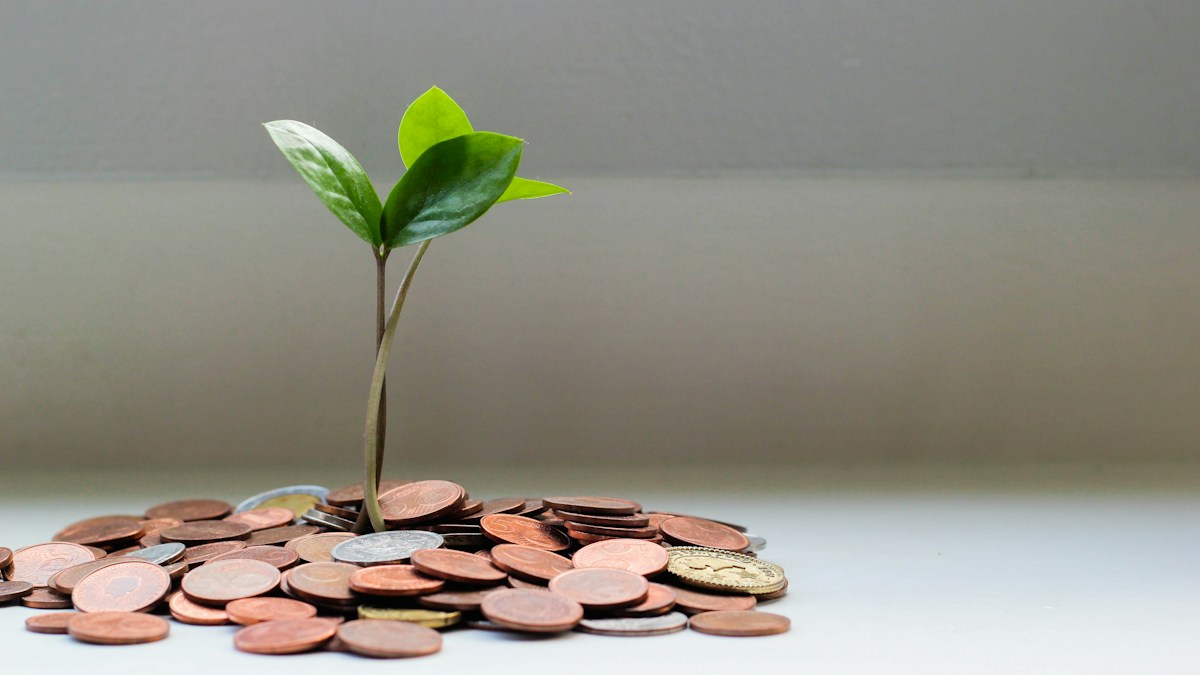
An emergency fund is the foundational cornerstone of personal financial resilience. It is the buffer separating an unexpected life crisis from total financial destabilization.
When your car transmission fails, a water pipe bursts in your home, or unexpected medical expenses occur, having a liquid cash reserve prevents you from resorting to high-interest credit cards, raiding your retirement accounts, or taking out high-fee personal loans.
In this practical walkthrough, we explore how to calculate, house, and fund an emergency buffer step by step.
Step 1: Define What Truly Qualifies as an Emergency
Before depositing a single dollar, establish strict criteria for what constitutes a legitimate emergency withdrawal. Without clear parameters, your emergency reserve will inevitably be spent on ordinary discretionary items.
The Three-Question Test
Before tapping your emergency reserve, ask:
- Is this unexpected? (Annual holiday gifts and semi-annual car insurance renewals are predictable expenses that belong in a sinking fund, not an emergency fund.)
- Is this absolutely necessary? (A replacement refrigerator after a sudden breakdown is necessary; upgrading to an OLED smart screen is not.)
- Is this urgent? (Does the situation require immediate resolution to safeguard health, safety, shelter, or primary income?)
Step 2: Calculate Your Essential Baseline Living Expenses
A common mistake is calculating an emergency fund based on your current gross salary. An emergency fund does not need to replace your entire income; it needs to cover your Essential Survival Burn Rate.
Essential vs. Non-Essential Expenses
| Essential Expenses (Must Cover) | Non-Essential Expenses (Cut Immediately) |
|---|---|
| Rent or Mortgage Principal/Interest | Restaurant meals and take-out |
| Minimum Food and Grocery Essentials | Premium streaming and entertainment subscriptions |
| Core Utilities (Water, Electricity, Gas) | Vacation and leisure travel funds |
| Health Insurance and Prescription Medicine | Discretionary apparel and electronics shopping |
| Basic Transportation (Gas, Transit Pass) | Luxury club memberships and spa appointments |
| Minimum Debt Service Requirements | Speculative investments and discretionary gifts |
Sample Calculation
If your total monthly essentials equal $3,200:
- 3-Month Buffer: $9,600
- 6-Month Buffer: $19,200
Step 3: Choose the Right Vehicle for Your Reserve
Where should you keep your emergency cash?
- High-Yield Savings Account (HYSA): The ideal solution. Offers FDIC/DICGC insurance protection, liquidity within 24 to 48 hours, and competitive yield without stock market volatility.
- Liquid Money Market Mutual Funds: Suitable for seasoned investors looking for modest returns with ultra-short maturity durations.
- What to AVOID: Never lock emergency reserves into volatile equities, cryptocurrencies, illiquid real estate, or high-penalty multi-year certificates of deposit.
Step 4: Execute a Phased Savings Strategy
Attempting to fund a complete six-month reserve overnight can feel overwhelming. Break the journey into sequential phases:
Phase 1: The Starter Fund ($1,000 - $2,000)
Goal: Rapid liquidity to handle flat tires and emergency room co-pays.

Phase 2: One-Month Core Expenses ($3,000 - $4,500)
Goal: Prevents paycheck-to-paycheck panic.

Phase 3: Three-Month Comprehensive Safety Net ($10,000+)
Goal: Sufficient cushion to navigate corporate downsizing or medical recovery.

Phase 4: Full Six-Month Resilience Reserve
Goal: Long-term peace of mind and career independence.
Replenishment Protocol
If an emergency forces you to withdraw $2,000 from your reserve, pause all non-essential investments and discretionary splurges until your cash buffer is restored to 100%. Maintaining this discipline guarantees you will never be caught unprepared twice in succession.
Frequently Asked Questions (FAQ)
Where should I keep my emergency fund so it earns interest?
Keep your emergency cash in a dedicated High-Yield Savings Account (HYSA) separate from your primary checking account. HYSAs offer FDIC/DICGC deposit insurance, daily liquidity, and earn competitive interest rates without risk of capital loss.
Can I invest my emergency fund in index funds or stocks?
No. Equities fluctuate in value and can drop by 20% to 40% during economic recessions—precisely when you are most likely to face job loss or financial emergencies. Capital preservation and liquidity must take absolute priority over investment growth for emergency reserves.
How do I know whether to build a 3-month or 6-month reserve?
Dual-income households with secure corporate positions and low debt can comfortably maintain a 3-month buffer. Single income earners, commission-based workers, freelancers, or parents with young children should target 6 to 9 months of baseline expenses.
The information presented in this article is provided solely for educational and informational purposes and does not constitute certified legal, tax, or investment advice. Interest rates, tax regulations, and statutory investment thresholds vary by jurisdiction and change over time. Always consult with a licensed independent financial advisor or certified tax professional before making significant financial commitments.
Tanisha writes about personal finance, budgeting, saving habits, and practical money management. Her content focuses on helping readers understand everyday financial concepts and develop more informed money habits.
Related Financial Guides

Common Money Management Mistakes and How to Avoid Them
An analysis of the most frequent financial pitfalls that drain household wealth, and practical systems to safeguard your balance sheet.

Financial Goals: Short-Term vs Long-Term Planning
Master the art of temporal capital allocation. Learn how to balance immediate lifestyle desires with multi-decade compounding wealth strategies.


10 Personal Finance Habits That Can Improve Your Financial Life
Discover ten micro-habits practiced by financially secure households that compound into extraordinary financial independence over decades.